K-12 Education
Teaching American History, Grades 6-8
16 lessons
3.5h total length
Create Your Account to Get Instant Access to “Teaching American History, Grades 6-8”
Teach the American Story
Lessons in this course

11:12
lesson 1
1.1 Introduction
Why study history? Why study civics? What do we intend to achieve by teaching these disciplines? Hear from master teachers across the nation as they strive to answer these questions.

14:53
lesson 2
1.2 Course Content
Learn what is taught in the Hillsdale K-12 History & Civics Curriculum. The core content of American History & Civics can be broken down into several constituent parts—geography, concrete historical artifacts, primary sources, key events, central ideas, and stories—that are woven together to create a coherent whole.

11:35
lesson 3
1.3 Student Formation
As students grow in knowledge, they receive training in essential skills that prepare them for the duties of citizenship and the challenges of adult life. Taught well, history and civics form more than a school subject. Through this academic material, our students come to know the story of their country, to understand the principles on which it stands, and to see themselves as stewards of the good things that have been bequeathed to them.

18:03
lesson 4
2.1 Upper School Lesson Planning
Optimize your question asking and instruction of virtue through your lesson planning process. Proper lesson planning and pacing is key to sharing the story of history well—doing so will allow you to serve your students well.

18:09
lesson 5
2.2 History as a Story
Learning begins the moment students walk through the door. Educators must think like a storyteller—examining the characters, conflicts, and cultures present—and tell the story of history in a way that is informative, engaging, and organized. Teaching is a challenge, and it requires constant effort. Dig in and learn!

18:35
lesson 6
2.3 Advice from Veteran Teachers
Understand why we ought to study history, ways you can grow as an educator, how to properly pace your lesson and more.

01:01
lesson 7
2.4 Intentional Classroom Design
Every photo, painting, and map in your classroom should serve a purpose.

01:14
lesson 8
2.5 Intentional Classroom Layout
The set up of your classroom should be designed to direct your students and their learning to the lesson at hand.

19:54
lesson 9
3.1 Middle School Lesson #1
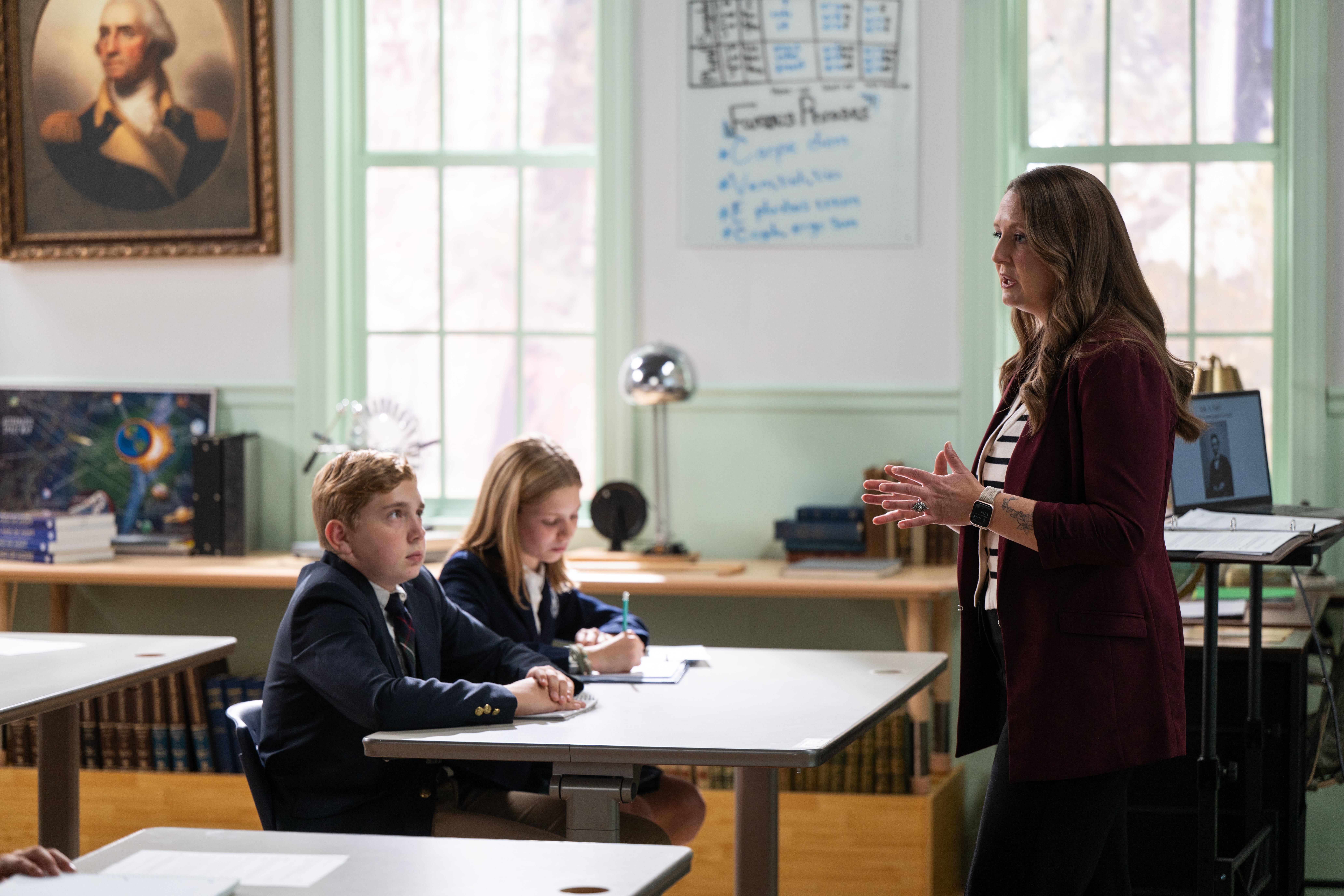
Watch as Krista Esch, a Middle School Humanities teacher at Ascent Classical Academy of North Denver, provides live instruction to a 6th-8th grade history class.

13:58
lesson 10
3.2 Middle School Lesson #2
Watch as Krista Esch, a Middle School Humanities teacher at Ascent Classical Academy of North Denver, provides live instruction to a 6th-8th grade history class.

07:44
lesson 11
4.1 Class Discussion, Part 1
Classroom discussion is essential to helping students develop their ability to understand challenging texts, think critically, and speak precisely. To conduct a good discussion, teachers must learn how to ask good questions.

07:21
lesson 12
4.2 Class Discussion, Part 2
What makes a class discussion good or bad? Learn how to conduct good classroom discussions with every grade level.

05:28
lesson 13
4.3 Class Discussion, Part 3
Preparation for classroom discussion is essential to facilitating understanding and critical thinking in students. Seminars give students a wealth of experience. Through these discussions, students are formed not only in their reading and speaking skills, but also their ability to think well.

10:38
lesson 14
5.1 Assignments and Assessments, Part 1
Assignments and assessments are essential components of effective teaching, designed to engage students actively in understanding, retaining, and applying knowledge. Utilizing different types of assignments and assessments allows for educators to prepare, reinforce, and measure student learning.

06:38
lesson 15
5.2 Assignments and Assessments, Part 2
Learn about the different forms of assessments that can be utilized by educators and how they benefit students.

09:08
lesson 16
5.3 Assignments and Assessments, Part 3
Understand how to properly prescribe summative assessments to students in ways that will both promote mastery and provide an understanding of students’ comprehension of the text.
Watch the course trailer
What Current Students Are Saying
Takes the student through the full context of the course subject matter. Wonderful insight into how we strayed and its consequences and offers a solution.
Create your FREE account today!
All you need to access our courses and start learning today is your email address.